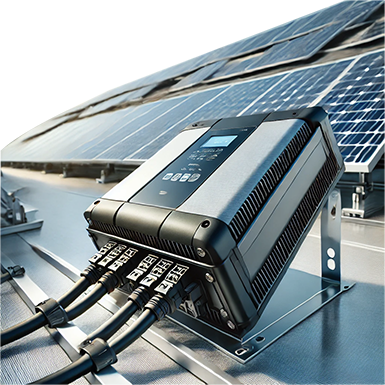
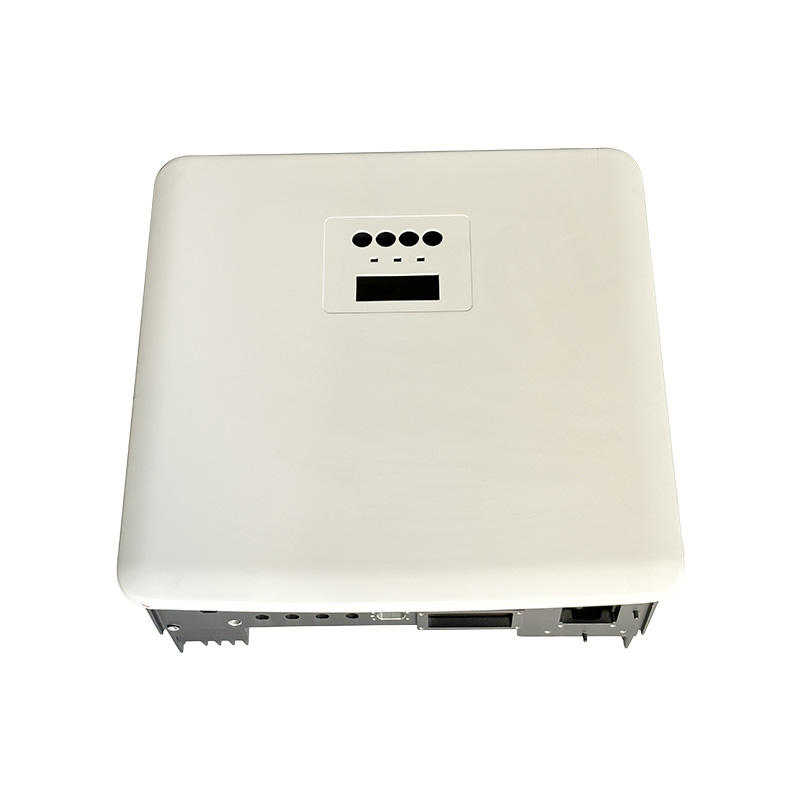
Photovoltaic inverter die castings are critical components used in the housing and heat dissipation structures of solar photovoltaic systems, commonly found in the enclosures, heat sinks, and other structural parts of inverters. Typically made from aluminum, these castings are produced using high-pressure die-casting processes. Aluminum alloy offers thermal conductivity, lightweight properties, corrosion resistance, and mechanical strength, allowing these castings to withstand harsh outdoor conditions such as high temperatures and moisture. Precision mold design ensures the efficient production of complex structures, enhancing both the cooling performance and structural integrity of the inverter.
Key performance features of photovoltaic inverter die castings include heat dissipation and protective properties. These castings efficiently dissipate the heat generated by the inverter during operation, ensuring stable performance even under heavy load conditions. They also provide robust protection against environmental factors such as moisture, dust, and corrosive elements, significantly extending the inverter’s service life. The lightweight design helps reduce installation complexity and maintenance costs. Additionally, optimized mold and production processes allow for dimensional stability and aesthetic appeal, meeting the modern photovoltaic inverter’s requirements for both high performance and sleek design.

 伝統的な自動車は鋳造物です
 新エネルギー自動車ダイカスト
 コミュニケーションハウジングダイキャスティング
 電動スクーターダイキャスティング
 自転車パワーモーターダイキャスティング
 オートバイアクセサリーはキャスティングを枯渇させます
 モーターハウジングダイキャスティング
 エンジニアリング機械ダイ鋳物
 照明ダイキャスティング
 船外のモーターダイキャスティング
 家具アクセサリーはキャスティングを枯渇させます
 グリルアクセサリーはキャスティングを消します
 太陽光発電インバーターダイキャスティング

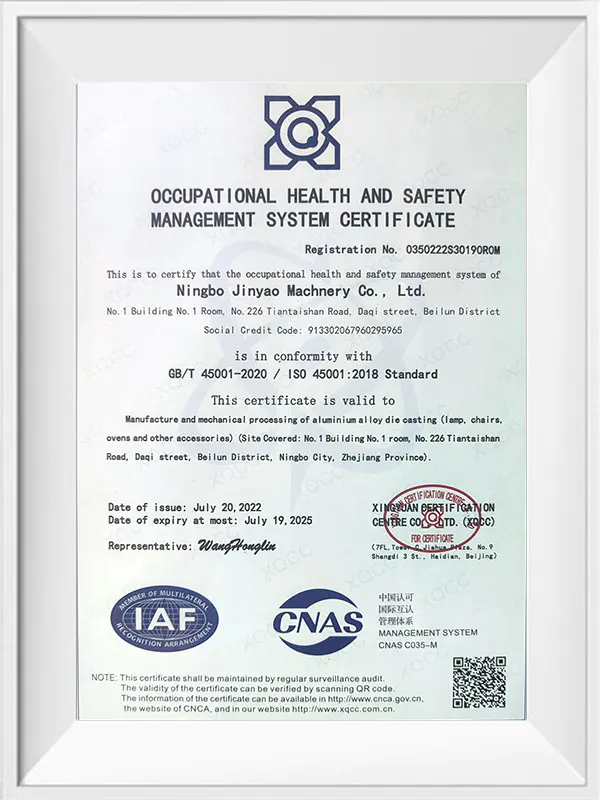
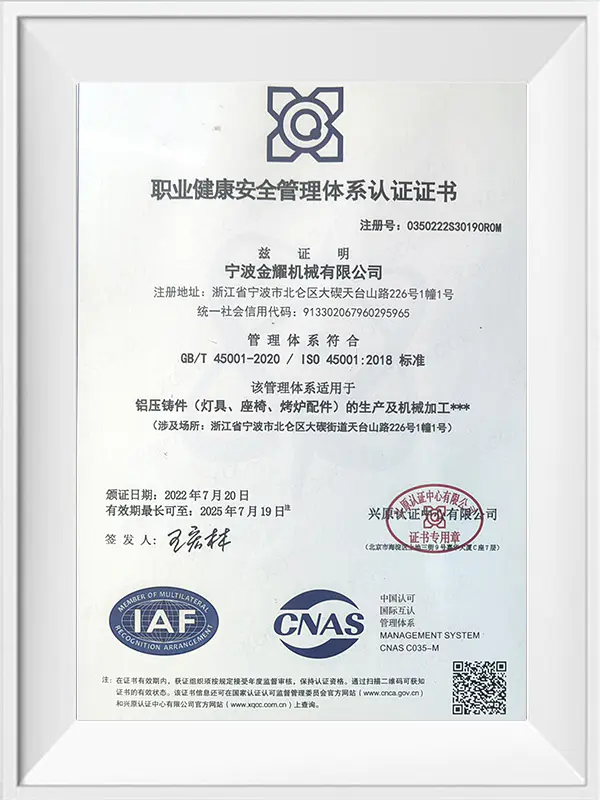
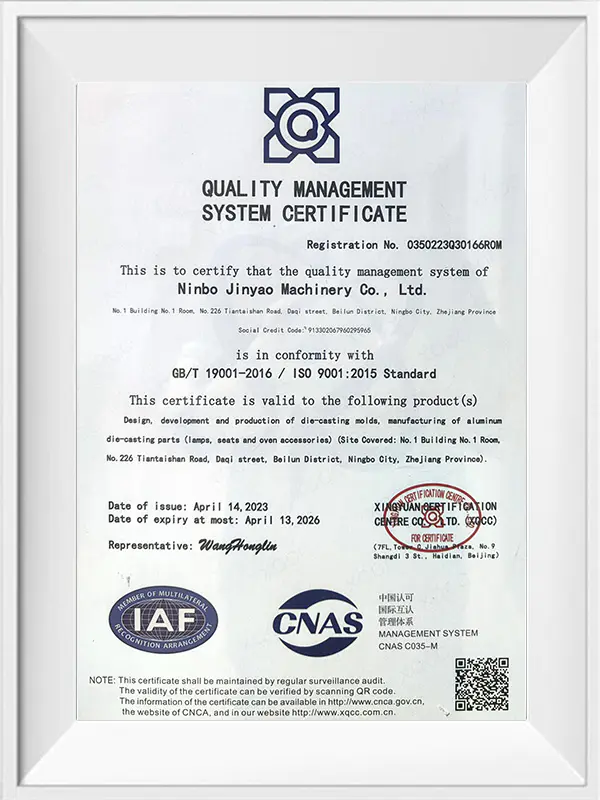
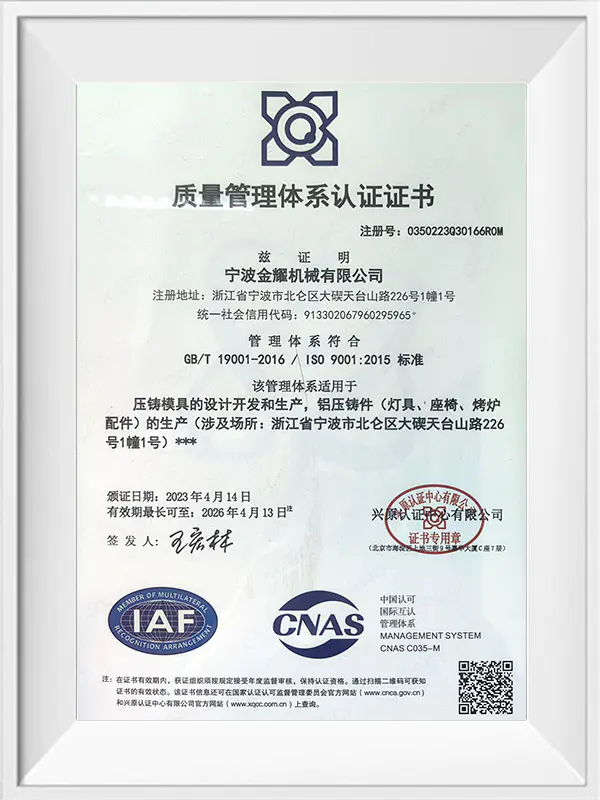
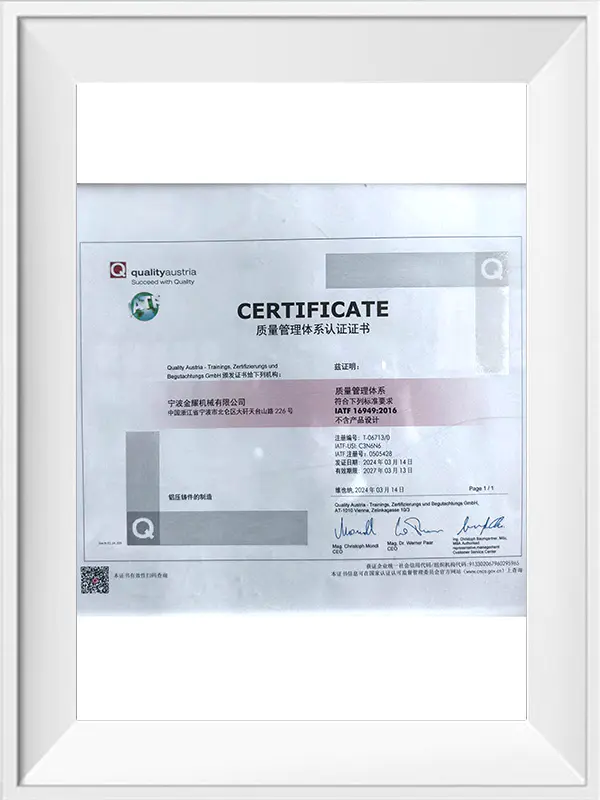
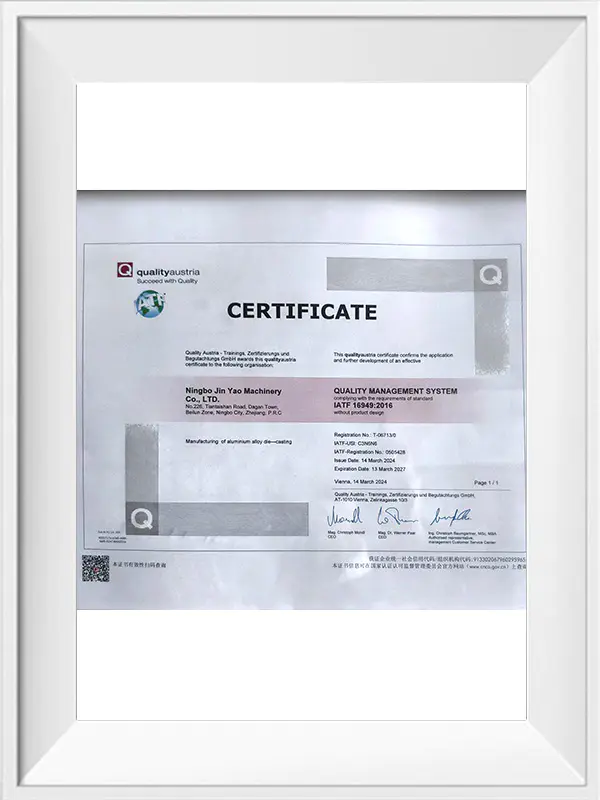


 1建物No.1 No.226。 Tiantaishan Road、Daqi Street。中国、Zhijiang省、Ningbo CityのBeilun地区
 +86-15967858563

